This American beautyberry care guide covers how to grow (Callicarpa americana). This is one of Central Texas’ most striking native shrubs, delivering dramatic seasonal interest with almost no maintenance.
If you’re searching for a low-maintenance Texas native in your Austin garden, look no further than American beautyberry. This under-the-radar shrub is a local favorite, popping up wild along Central Texas riverbanks and wooded edges.
At Vivero Growers Nursery, we propagate and grow the majority of our plants right here in Austin, ensuring every plant is adapted to our heat, drought, limestone soils, and hard freezes.
Key Features at a Glance
- Height & Spread: 4–6 ft tall and wide (easily pruned smaller)
- Exposure: Full sun to part shade (best berry production in sun)
- Bloom Time: Late spring – small pink-lavender flowers
- Peak Interest: Late summer through winter – brilliant magenta berry clusters
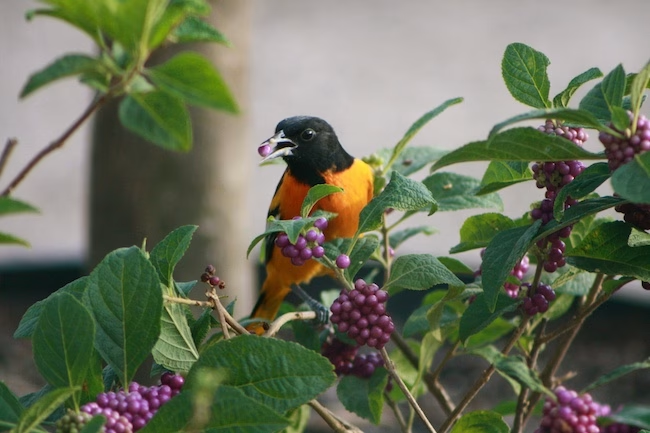
- Wildlife Value: Primary late-season food source for songbirds (cedar waxwings, cardinals, mockingbirds)
- Deer Resistance: High once established
- Water Needs: Low – highly drought-tolerant after first year
Seasonal Performance of the American Beautyberry in the Austin Area
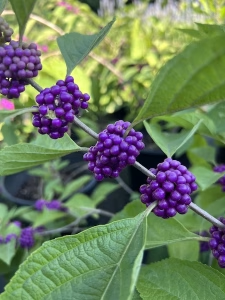 Spring → Soft green foliage emerges on arching stems Summer → Inconspicuous flowers attract native bees and butterflies Late Summer – Fall → Green berries ripen to vivid magenta, clustered tightly around stems Winter → Deciduous; leaves drop to reveal glowing berry-laden branches – exceptional winter interest
Landscape Uses in Central Texas Gardens
- Specimen or mass planting in mixed borders
- Naturalistic woodland edges beneath live oaks and cedar elms
- Privacy screens or informal hedges (space 5–6 ft apart)
- Pollinator and bird-friendly habitats
- Excellent companion to Turk’s Cap, Inland Sea Oats, Gregg’s mistflower, and fall-blooming salvias
Planting American Beautyberry Care Recommendations
- Best Planting Window: October–February in the Austin/Hill Country region
- Soil: Tolerates rocky caliche and clay if well-drained; amend heavy clay with expanded shale or compost
- Watering: Deep, infrequent irrigation first season; minimal supplemental water thereafter
- Pruning: Late winter – cut back by ⅓ to ½ to encourage dense growth and heavier fruit set
- Fertilizing: Generally unnecessary; optional light application of slow-release native-plant fertilizer in spring
Why Vivero Growers’ Stock Excels
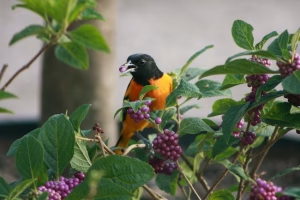
Baltimore Oriole feeding on American Beautyberry berries at Vivero Growers Nursery
Our American beautyberry plants are grown in Austin from Central Texas plants. This local provenance means superior establishment rates, stronger drought tolerance, and genetic diversity that supports regional pollinators and wildlife.
Visit the nursery to select container-grown specimens ready for immediate planting. We’re happy to walk your landscape plan and suggest ideal companions from our Texas native collection. Want more facts? Watch our American Beautyberry video.
→ Explore our full list of recommended natives in the Top 10 Texas Native Perennials for Austin Landscapes.
Have questions about incorporating American beautyberry into your design? Stop by — we’re always here to help Austin gardeners succeed with authentic Texas plants.
Vivero Growers Nursery – Growing Austin’s landscape, one native plant at a time.