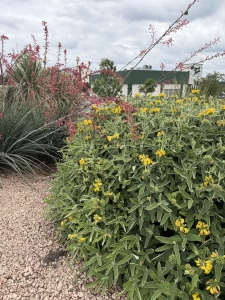
 Water-Wise Performance: The Belterra Village Trio
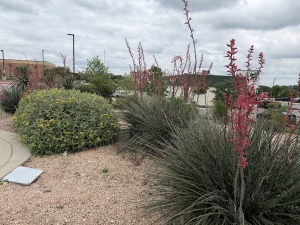
When it comes to landscaping in Central Texas, we often look to high-traffic commercial areas like Belterra Village as “living labs.”
These plants aren’t just surviving; they are thriving in intense heat with low irrigation. Looking for color, texture and want to attract pollinators to your yard? These are three great tough options for your landscape.
Here is a breakdown of why these three are essential for any water-conscious Austin garden.
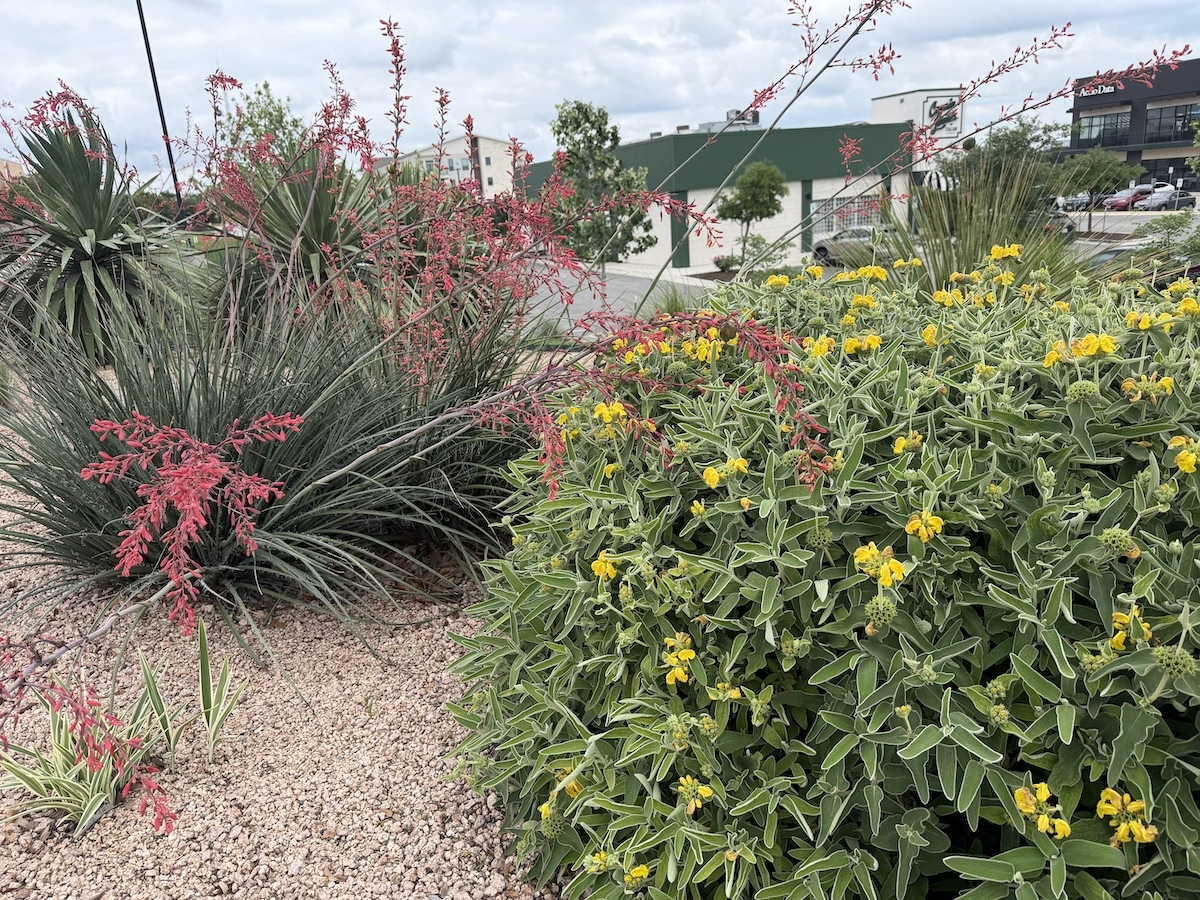
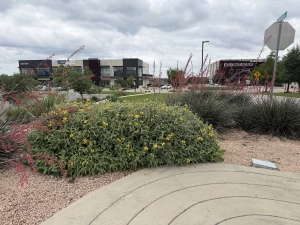 Jerusalem Sage (Phlomis fruticosa)
Drought Strategy: Look closely at those velvety, silver-grey leaves. Those tiny “hairs” aren’t just for show—they reflect sunlight and trap a layer of moisture near the leaf surface, significantly reducing water loss.
Water Profile: Once established, this plant is remarkably “set it and forget it.” It actually prefers to dry out between waterings, making it a perfect structural alternative to thirstier shrubs.
Why We Love It: It adds a unique, Seuss-like texture to the garden with its yellow flower whorls and generally regarded as deer-resistant. *Remember- Deer-resistant is not deer proof, you never know what a deer will and will not eat.
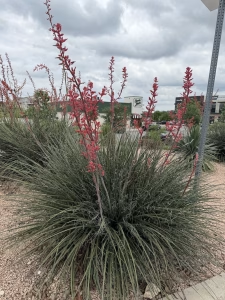 Red Yucca (Hesperaloe parviflora) – Texas Native
Drought Strategy: A true desert survivor, the Red Yucca stores water in its thick, leathery leaves. It’s great for our Austin summers.
Water Profile: It can often survive on rainfall alone once its root system is deep. In extreme heat, a single deep soak once a month can be plenty to keep them going.
Why We Love It: It provides massive pollinator value for hummingbirds without requiring the supplemental water that many other perennials need to stay green.
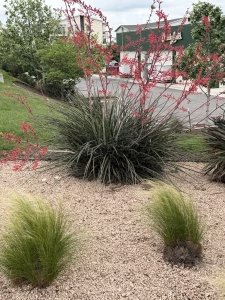 Mexican Feather Grass (Nassella tenuissima)
Drought Strategy: The fine, needle-like blades have very little surface area, which naturally minimizes transpiration. Ornamental grasses are great for texture and movement in the landscape.
Water Profile: Extremely low. It thrives in well-drained, rocky, or even “poor” soils where other grasses might struggle.
Why We Love It: It provides movement. Even the slightest Austin breeze catches these wispy blades, adding a soft, organic feel to more rigid xeriscapes.
 Pro-Tip: While these plants are drought-tolerant, remember that all new transplants need regular watering during their first season to establish the deep root systems that allow them to be “water-wise” later on!
Ready to create your own drought tolerant landscape? Come visit us at Vivero Growers Nursery to see these drought defying beauties in person.